
Quick Reads
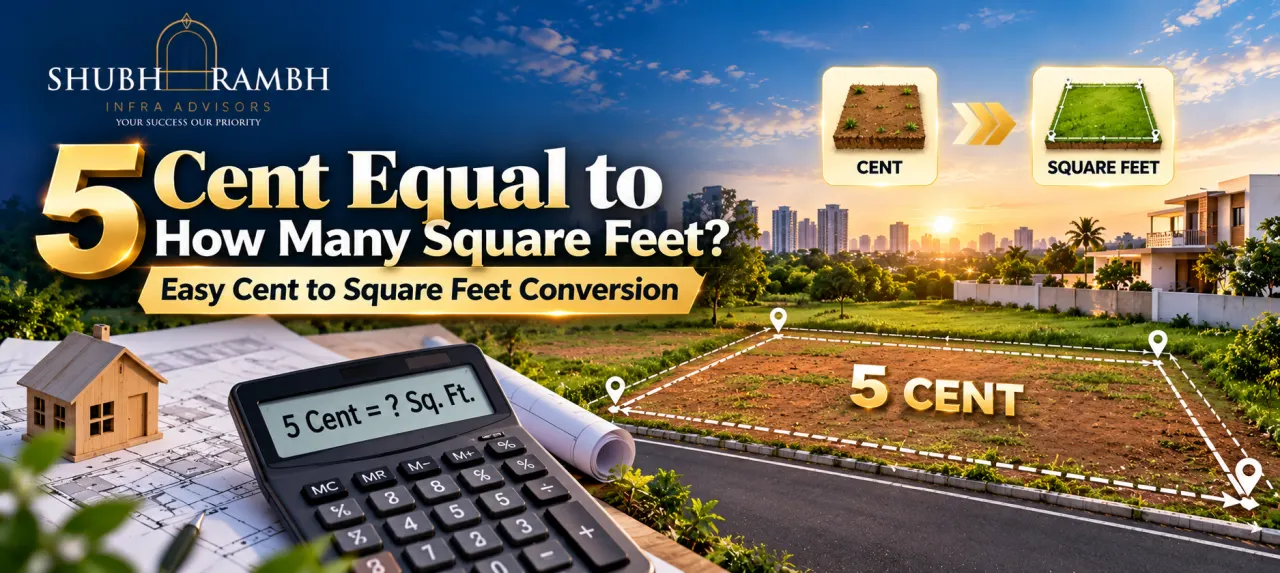
Wondering how big a 5-cent plot actually is? If you have ever felt confused by old-school land terms, you are not alone. In this guide, we break down everything you need to know about converting cents into square feet. Expect clear conversion tables, market pricing insights, practical tips, and a quick real-life example to help you visualize your dream plot without any headache.
When buying or selling land, stumbling across traditional local units can feel like trying to read a secret code. You might hear property dealers throwing around words like cents, grounds, or bighas, leaving you scratching your head. Land measurements can vary quite a bit depending on which part of the country you happen to be visiting. However, once you get the hang of the basic math, it becomes as simple as counting on your fingers. Let us look at why these measurements matter so much and how they shape our everyday property dealings.
Understanding the Basics of Traditional Land Measurement Units
Traditional units like the cent have been around for generations, rooted deeply in local community habits, especially in southern states like Kerala, Tamil Nadu, and Karnataka. A cent is basically one-hundredth of an acre, making it a handy tool for measuring cozy residential plots rather than massive sprawling farms. When people talk about a small family house plot or a neat backyard garden, they almost always use cents instead of confusing acres. The beauty of this unit lies in its simplicity for local transactions.
Knowing that 1 cent equals roughly 435.6 square feet gives you a rock-solid foundation. So, when someone mentions a 5-cent property, you can instantly picture a compact, manageable space ideal for building a sweet little home or setting up a lovely lawn for weekend barbecues with your family and friends.
Key details you should know
Getting your facts straight before signing any property papers saves you from costly mistakes down the line. Land buying is not just about picking a nice spot of mud; it involves understanding exact dimensions, boundaries, and legal definitions. Many first-time buyers make the mistake of guessing sizes by eye, which can lead to major disappointments when construction time rolls around. Let us explore the core details that every smart property buyer should keep locked in their memory bank.
The Math Behind the 5 Cent Conversion Table
To figure out how much space you are actually getting, you need a reliable conversion formula. Since one cent equals 435.6 square feet, doing the math for five cents is straightforward multiplication. You simply multiply five by 435.6, which gives you a total of 2,178 square feet. To make things even easier for you, here is a quick breakdown table showing how cents scale up to square feet for common small-scale residential plots.
| Cents | Square Feet (sq. ft.) | Approximate Description |
| 1 Cent | 435.6 sq. ft. | Small parking space or tiny shop base |
| 2 Cents | 871.2 sq. ft. | Compact studio apartment footprint |
| 3 Cents | 1,306.8 sq. ft. | Small 1 BHK independent house layout |
| 4 Cents | 1,742.4 sq. ft. | Decent 2 BHK compact home plot |
| 5 Cents | 2,178.0 sq. ft. | Spacious 2 or 3 BHK independent villa layout |
Prices and market trends
Property prices move up and down like a roller coaster ride at a local amusement park. What costs a modest sum today might shoot through the roof tomorrow depending on where the plot is located. Urban expansion, upcoming metro lines, and new shopping malls can turn a quiet, sleepy village into a buzzing hotspot almost overnight. Keeping an eye on these market trends helps you decide whether a 5-cent plot is worth your hard-earned savings or if you should look at alternative neighbourhoods.
What Influences Plot Pricing?
When evaluating a 2,178 square foot plot, the price tag depends heavily on infrastructure, road connectivity, and neighbourhood safety. Plots sitting right next to main highways or upcoming tech parks naturally command much higher rates per square foot compared to secluded rural stretches. Buyers are currently showing massive interest in gated communities where security and water supply are already sorted out.
Market trends show that land values in developing outskirts have steady upward growth because people prefer building independent homes over cramped multi-story apartments. Checking local registration offices and talking to trusted local experts can give you a realistic picture of the going rate per cent in your target area, ensuring you never pay more than the fair market value.
Pros, cons and things to watch
Every real estate purchase comes with its own basket of sunny benefits and gloomy drawbacks. Buying a piece of land feels deeply exciting because you get a blank canvas to build your dream home exactly how you want it. However, ignoring the hidden catches can turn your dream project into a long-running legal nightmare. Let us weigh the positive and negative aspects so you can make a balanced, well-informed choice.
Weighing the Advantages and Hidden Pitfalls of Plot Ownership
- Total Architectural Freedom: Design and build your dream home precisely how you want it, with complete privacy and easy room for future expansion without annoying apartment rules.
- Strong Long-Term Value: Unlike ready-made flats that lose value as they age, land values almost always go up, making a plot a brilliant investment asset.
- Risk of Legal Disputes: Buying land comes with potential hurdles, such as messy title deed disputes and tricky unauthorised layouts.
- Construction and Maintenance Hassles: You have to manage the entire construction process independently and watch out for boundary encroachment if the plot sits empty for too long.
- Essential Pre-Purchase Checks: Always verify clear legal titles, check for proper government approvals, and ensure working water drainage channels exist before handing over any token money to the seller.
2026 outlook and what’s changing
The real estate sector is transforming rapidly as new technologies and changing lifestyles shape how we buy and live. Gone are the days when you had to rely entirely on word-of-mouth gossip from local brokers to find a decent plot. Digital land mapping, online record verification, and transparent pricing portals have brought massive clarity to property transactions. Let us peek into what the current landscape holds for everyday buyers and investors.
Modern Shifts in Land Buying and Digital Transparency
As we navigate through 2026, transparency and digital accessibility have become the biggest game-changers in property markets. Buyers can now cross-verify land ownership records online within minutes, reducing the risk of fraud significantly. Eco-friendly plotting, rainwater harvesting setups, and solar-ready communities are also trending heavily among modern home builders. People are shifting focus towards suburban outskirts that offer clean air and open spaces without cutting off connectivity to city centres. Staying updated with these changing trends ensures your 5-cent investment remains future-proof, valuable, and perfectly aligned with modern sustainable living standards.
Expert advice from Shubharambh advisors

Navigating the wild world of property markets can feel exhausting when you try to walk the path all by yourself. Having a knowledgeable guide by your side changes the entire experience from a stressful chore into an exciting journey. Professional advisors bring years of industry wisdom, saving you from scams, inflated prices, and paperwork blunders. Let us see how expert backing makes all the difference when securing your next big investment.
A short case study or real example
Real-life stories often teach us more than textbook theories ever could. Hearing about how someone else navigated a property purchase gives you practical clues on what to do and what mistakes to dodge. Let us look at a simple, relatable example of a young family who recently bought a small plot and turned it into their cozy sanctuary.
How Rohit and Priya Found Their Dream 5-Cent Plot
Rohit and Priya, a working couple from a bustling city, dreamed of building a small, peaceful home away from heavy traffic noise. After months of searching through confusing listings, they zeroed in on a neat 5-cent residential plot measuring 2,178 square feet in a developing suburb. Initially, they were worried about the conversion math and whether the space would feel too cramped for a family of four. However, after consulting experts and mapping out a smart 2 BHK layout with a small front garden, they realised the space was more than enough. By verifying the legal titles thoroughly and managing their construction budget step-by-step, they successfully built their cozy haven without burning a hole in their pockets. Their journey proves that a compact plot, when chosen wisely, can comfortably fulfill big family dreams.